🌿 15% off your first order - for yoga lovers done with toxic foam mats. Use YOGA15 at checkout


The ancient yoga mat that practitioners used for centuries before rubber was ever invented
After fourteen years on synthetic mats, a chance question sent us down a 5,000-year trail — to a tradition of woven cotton yoga rugs, medicinal herbs, and handcraft that the modern wellness industry has mostly forgotten.

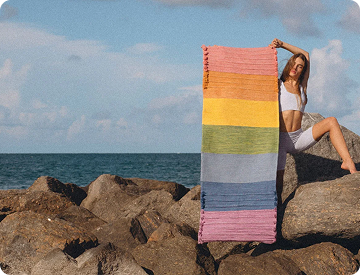
Free shipping over $150 · 30-day practice guarantee · Rated #1 sustainable mat by Yoga Journal
AS FEATURED IN



AS FEATURED IN
I have been practising yoga for fourteen years. I have owned six different mats in that time. I have sprayed, rolled, washed, and eventually thrown away every one of them. But the question that finally changed my practice did not come from a studio,
a teacher, or a product review. It came from a conversation with a friend who had just turned 58 and was reading the label on her current mat. "It just says PVC," she said. "What even is that?"
That question sent both of us on a longer path than we expected. We found out about the chemicals in standard synthetic mats. We found out about phthalates and triclosan and heavy metal stabilisers. But we also found something far older and more interesting — a tradition of practising yoga on woven cotton rugs that predates the modern mat by several thousand years. And we found a small brand in the United States that has made it its mission to keep that tradition alive.
The mat that came before the mat
Most of us assume the yoga mat is as old as yoga itself. It is not. The synthetic rubber mat — the sticky, foam-cushioned rectangle that now fills every studio from New York to Nairobi — is a product of the 1980s. It was invented, more or less by accident, when a yoga teacher in Germany cut a piece of foam carpet underlay into towel-sized strips for her students. The yoga mat as we know it today is younger than most of the people currently using it.
Long before that, yoga was practised on something very different. And for practitioners who want to understand what they are standing on, that history turns out to matter quite a lot.
Sacred texts including the Bhagavad Gita describe yoga practised on kusha grass, deer skin, or cotton cloth. The surface was considered spiritually significant — natural, grounding, connected to the earth.
Sri K. Pattabhi Jois teaches Ashtanga yoga in a small room with a concrete floor. Students practise on heavy cotton rugs — first for comfort, then because cotton absorbs sweat and actually improves grip as a session progresses. The cotton yoga rug becomes standard practice.
The "Mysore rug" — a woven cotton mat used in traditional Ashtanga practice — becomes part of the lineage of the practice itself. These rugs are washed, not replaced. They soften over years of use. Many practitioners consider them superior to any synthetic surface.
Angela Farmer cuts foam carpet underlay into yoga-mat-sized strips. The "sticky mat" is born — practical, affordable, and destined to become one of the most chemically complex objects in the average person's home.
Öko Living produces handloomed organic cotton yoga mats dyed with Ayurvedic herbs — combining the Mysore tradition with 5,000 years of Indian textile knowledge. The cotton mat did not go away. It was just waiting to be rediscovered.
"The cotton mat came first. The rubber mat was a workaround. The original was always better."
What most yoga mats are actually made from
The majority of yoga mats on the market today are made from PVC — polyvinyl chloride — or TPE (thermoplastic elastomer). Both require chemical additives to become the soft, flexible surface we practise on. The main additives are phthalates, a class of plasticisers that have been restricted in children's toys in multiple countries due to questions about endocrine disruption.
Why this matters after 40
Research published in Environmental Health Perspectives has linked long-term phthalate exposure to hormonal changes, particularly in women over 40. Since skin absorbs more compound during sweating, an hour of hot yoga on a three-year-old PVC mat — which off-gasses differently as it ages and breaks down — may represent meaningful exposure. Standard mats also frequently contain triclosan (an antimicrobial additive banned in US hand soaps but still permitted in textiles), heavy metal stabilisers used during manufacturing, and chemical colorants. None of this is listed on the label.
The 5,000-year science behind herbal dyeing
Öko Living mats are dyed using a process called Ayurvastra — a Sanskrit term combining "Ayurveda" (the science of life) and "vastra" (clothing). This is not a modern wellness trend. It is a textile tradition documented in the Charaka Samhita and Sushruta Samhita — ancient Ayurvedic medical texts dating back more than 3,000 years.
The principle is straightforward: certain plant compounds bind to organic cotton fibres at a molecular level. When that fabric comes into contact with skin — particularly sweating skin — those compounds transfer. The herbs chosen for Öko mats are selected both for the colours they produce and for specific properties that support skin health during physical practice.

Turmeric
Anti-inflammatory and antibacterial. Curcumin has been shown to reduce skin irritation and support joint health — relevant for practitioners with knee or wrist sensitivity.

Neem
Antiseptic and antifungal. Traditionally used in Ayurvedic medicine as a skin purifier. Naturally inhibits bacteria on the mat surface — no chemical antimicrobials needed.

Indigo
One of the oldest natural dyes in human history. Anti-inflammatory properties documented across traditional medicine. Produces the deep blue-green tones in Öko's Jade and Teal mats.

Madder Root
The source of Öko's warm earth and clay tones. Known for cooling properties on skin. Used in traditional Ayurvedic practice for its calming effect during physical exertion.

Sandalwood
Retains its fragrance for years. Known for calming, antimicrobial, and cooling properties. Used in Ayurvastra fabrics intended for meditation and restorative practice.

Saffron & Rose
Used in Öko's rose and amethyst colourways. Saffron carries anti-stress and mood-supporting properties in traditional Ayurvedic medicine. Rose is mildly antibacterial and skin-softening.
Ready to feel the difference?
Each mat carries 10–20 of these herbs woven into the cotton - not as a surface spray, but as part of the fabric itself.
The people who make it - and why that matters
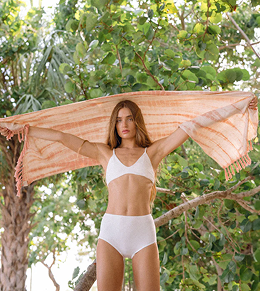
Handloomed by skilled artisans in India
Each Öko mat is woven by hand by skilled craftspeople in India, using traditional handloom techniques that have been practised for generations. This is not an incidental detail. Handlooming produces a weave density and consistency that machine production cannot replicate — and it keeps alive a textile tradition that mass manufacturing has largely displaced.
The artisans who make these mats are part of small weaving communities whose craft and livelihoods are directly supported by each purchase. That chain — from the cotton field, through the dye bath, through the loom, to your practice — is entirely traceable.
How it compares - honestly
We put the Öko mat alongside a standard PVC mat (the kind you find in most studios) and a premium rubber mat (Manduka Pro, the market favourite among serious practitioners) across the things that matter most.
| Standard PVC Mat | Premium Rubber | Öko Living Mat | |
|---|---|---|---|
| Surface material | PVC foam | Natural or blended rubber | Certified organic cotton |
| Phthalates / PVC | Contains | Varies by brand | Zero |
| Synthetic dyes / chemicals | Yes | Yes | None — Ayurvedic herbs only |
| Grip when you sweat | Degrades | Maintained | Improves with sweat |
| Antibacterial without chemicals | Requires spray | Requires spray | Natural — herb properties |
| Biodegradable at end of life | No | Partially | Fully |
| Artisan / ethical production | Factory made | Some | Handloomed, traceable |
| Typical lifespan | 12–18 months | 5–7 years | 7–12+ years |
| Price | $25–$40 | $100–$140 | $170–$250 |
| Cost per year (realistic) | $25–$40 | $18–$28 | $18–$30 |
Voted #1 most sustainable mat by Yoga Journal
Also featured in GQ, Well+Good, MindBodyGreen and PopSugar - the most press-recognised natural mat on the market.
What thirty days on one actually feels like
I tried the Clay colourway for thirty days — a warm terracotta tone that comes from madder root. The first session required a minor adjustment. The cotton surface grips differently from foam rubber: it responds to how you move rather than fighting against it. By day five, the adjustment was invisible.
What I noticed instead: my wrists felt better in weight-bearing poses. The slight natural give in the woven surface seems to distribute pressure differently from a flat rubber or foam mat. My knees — a source of occasional complaint — felt genuinely more cushioned in low lunges. And Savasana, practised on organic cotton instead of synthetic foam, is a different experience entirely. Quieter, somehow. More grounding in the literal sense.
"Practising on organic cotton after fourteen years of rubber mats is like switching from fluorescent lighting to natural light. You notice it immediately — and then you can't go back."
From the people using it
The reviews that stayed with us longest came not from press coverage, but from practitioners who described the mat the way you describe something that changed your practice — specifically, carefully, and without marketing language.

"I've been doing yoga on a Manduka Pro for 10 years. These Öko mats are way better — the grip, the cushion, the feel. No comparison."
Sarah M. — 250hr RYT, verified buyer
"Practising on this mat is an act of self-love. My skin just feels good touching it. It's everything yoga should be about."
Paige A. — Yin yoga practitioner, verified buyer
"I've been doing yoga on a Manduka Pro mat for 10 years, 250-hour certified RYT. These Öko mats are way better. The cushion, the grip that gets better as you sweat, the ridges in Down Dog — nothing compares."
Sarah M. Verified buyer

"Practising on this mat is an act of self-love. Soft, with just enough catch to hold poses. My skin just feels good touching it. The natural fibres and herbal dyes are everything yoga should be about."
Paige Ashley. Verified buyer
"I wanted it because it's gorgeous. But I didn't expect it to also have great traction and work better for my knees than anything else I've tried."
Skye M. Verified buyer
Join thousands of practitioners who have made the switch
Over 30 days or your money back. Every mat comes with free shipping over $150 and ships within 3 business days.
Use code WELLNESS10 for 10% off your first order
✓ 30-day guarantee
✓ Free shipping $150+
✓ #1 Yoga Journal pick
✓ Secure checkout
The honest conversation about price
An Öko mat costs between $170 and $250. That is more than most people have ever spent on a yoga mat. Here is what it actually works out to over time:
| Option | Cost | Lifespan | Notes |
|---|---|---|---|
| Budget PVC mat (replaced every 12–18 months) | $30 × 5 | 12 months | $30 |
| Mid-range rubber mat | $80–120 | 3–4 years | $25–40 |
| Öko Living herbal mat | $170–250 (once) | 7–12+ years | $18–28 |
Cotton yoga rugs do not degrade the way foam and rubber do. They get washed, they get softer, and they get better. A well-cared-for Öko mat is a one-time purchase — the same way a good pair of leather boots is a one-time purchase. The economics only look unusual if you measure the cost in one column and the lifespan in another.
30-day practice guarantee · Free returns · Ships in 3 days

30-Day Practice Guarantee
Öko Living guarantees you will feel a difference in your practice within 30 days of regular use. If you do not, they will refund your purchase — no complicated process, no questions about how many sessions you managed.
Free shipping on orders over $150
Find your mat
Standard, Diamond, or Travel — each colourway dyed with a different herbal blend. The collection page walks through the differences so you can match the mat to your practice.
Free shipping over $150 · 30-day guarantee · Ships within 3 business days
© Öko Living2026. All rights reserved. | Privacy Policy | Returns & Refunds