


The 7 Types of Yoga Poses—and What Each One Teaches Us
Yoga is often reduced to flexibility, but anyone who has practiced for a while knows that no two poses ask the same thing of us.
Some invite us to build strength. Others ask us to soften. Some energize the body, while others encourage complete surrender. Together, these different categories of yoga postures create a balanced practice that supports not only the body, but the nervous system, the breath, and the mind.
Rather than seeing poses as isolated shapes, it can be helpful to think of them as different conversations with yourself. Every category of asana develops a different quality—grounding, courage, patience, resilience, presence, or trust.
Whether you're stepping onto your mat for five minutes or an hour, understanding these seven types of yoga poses can help you create a more intentional practice.
Why Are Yoga Poses Divided Into Categories?
The Sanskrit word asana simply means "seat" or "posture," but modern yoga includes hundreds of different positions designed to prepare the body and mind for greater awareness.
Grouping poses into categories helps create balance within a practice. Instead of always stretching the same muscles or chasing the most challenging shapes, each type of movement offers something different.
A well-rounded yoga practice often includes:
-
movement to build heat
-
standing poses for stability
-
balancing poses for concentration
-
backbends for openness
-
forward folds for rest
-
twists for renewal
-
inversions for perspective
Like nature itself, yoga thrives on variety.
1. Moving Sequences Build Energy
Flowing from one posture to the next connects breath with movement, creating a moving meditation that gently awakens both body and mind. These sequences increase circulation, build warmth, and help release mental clutter before settling into slower postures. A familiar example is Sun Salutations, often practiced at the beginning of class to welcome a new day with intention. Rather than focusing on perfect alignment, flowing sequences invite you to move with curiosity and rhythm.
2. Standing Poses Help You Feel Grounded
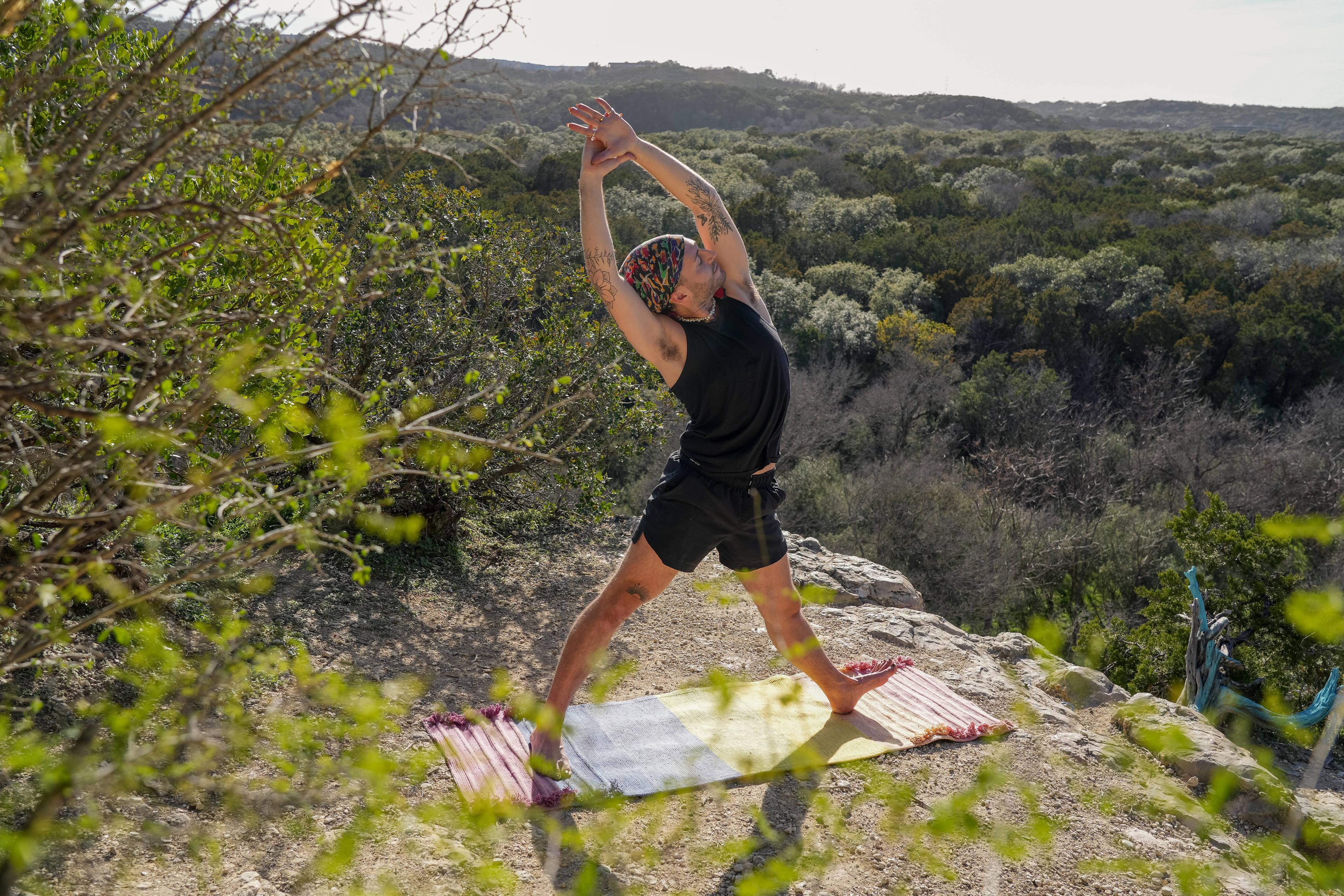
Standing poses create a foundation for almost every yoga practice. They strengthen the legs and core while improving posture and body awareness, but perhaps their greatest gift is the feeling of steadiness they cultivate. When both feet root into the earth, the nervous system often follows. Poses like Mountain Pose, Warrior II, and Triangle remind us that stability isn't rigid—it's responsive, balanced, and alive.
3. Balancing Poses Teach Presence
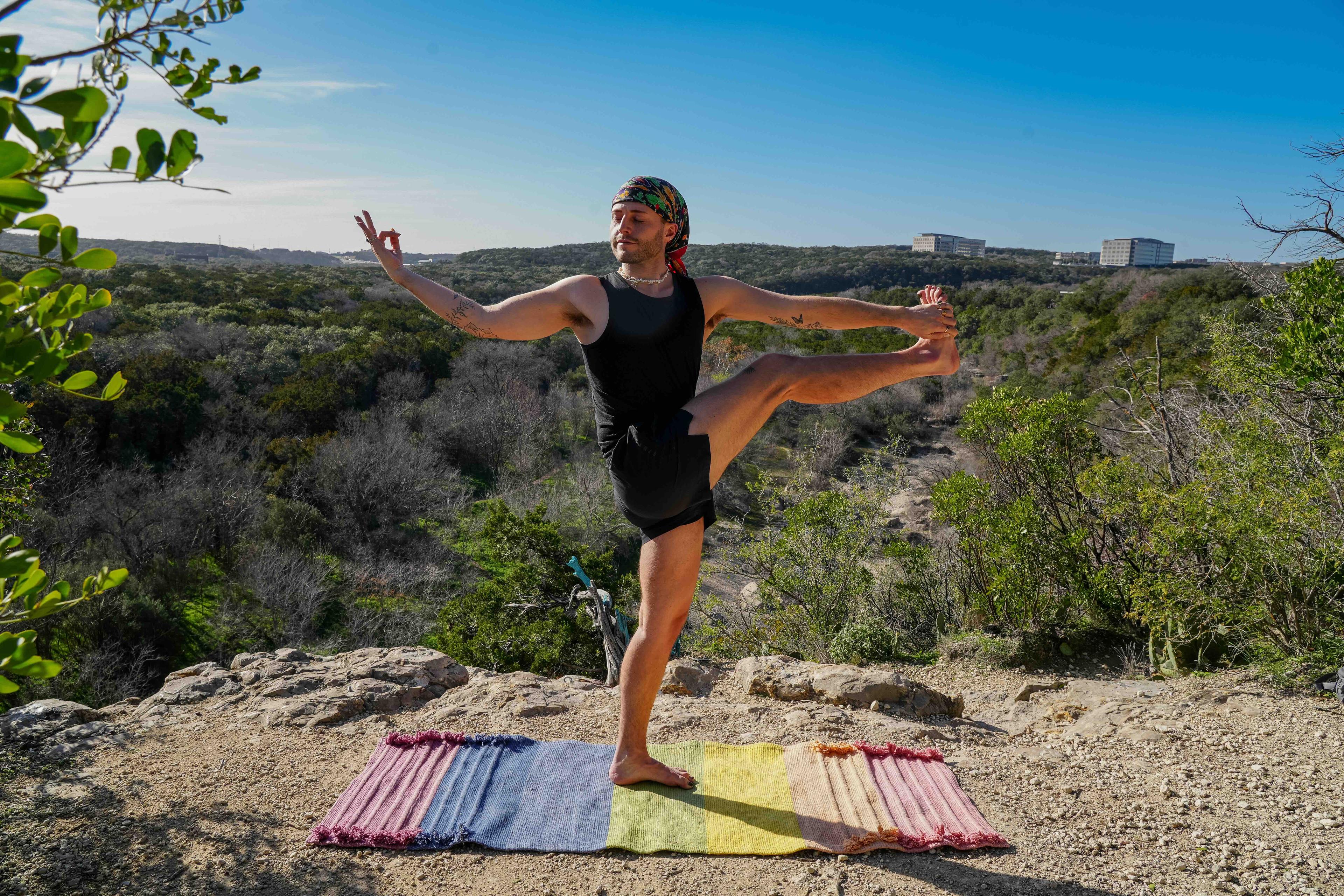
Balance has very little to do with standing perfectly still. Instead, balancing poses reveal the countless tiny adjustments happening every second. The moment your attention wanders, the pose lets you know. That's what makes these postures such powerful mindfulness practices. Whether you're practicing Tree Pose or Crow Pose, balancing asanas encourage patience, focus, and resilience rather than perfection. Sometimes wobbling is part of the lesson.
4. Backbends Create Space
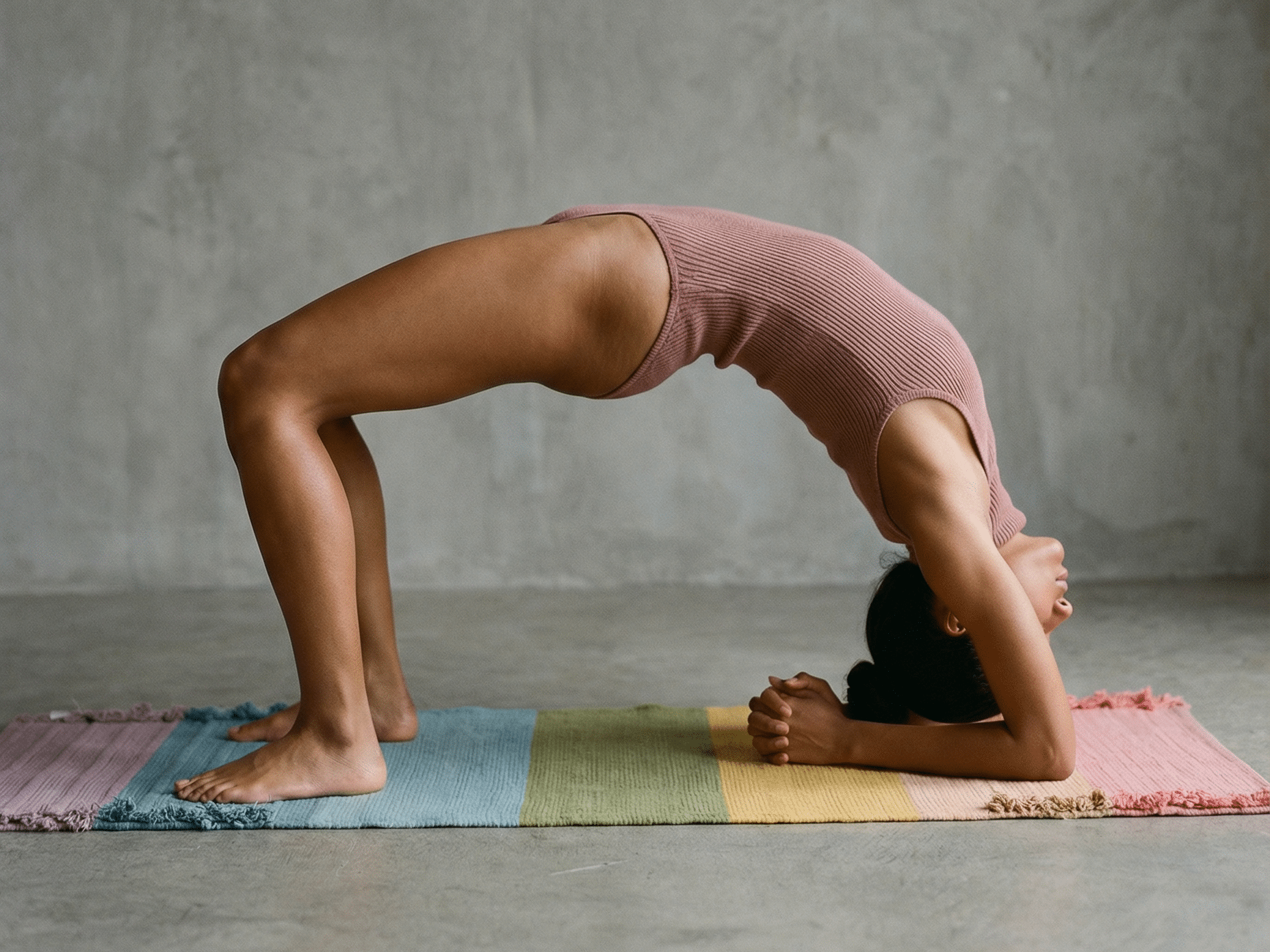
Modern life asks us to spend hours looking down at phones, keyboards, and steering wheels. Backbends gently reverse that pattern by opening the chest, expanding the breath, and creating more space across the front of the body. Physically, they improve spinal mobility and posture. Energetically, they often leave practitioners feeling more open, optimistic, and receptive. Even gentle poses like Bridge Pose can create this sense of spaciousness.
5. Forward Folds Invite You to Slow Down
If backbends encourage expansion, forward folds encourage release. These quieter postures stretch the back body while naturally drawing attention inward. Many people find that forward bends help calm a busy mind, making them a beautiful addition to evening routines or slower practices. There's no need to force depth here. The real practice is softening rather than striving.
6. Twists Help You Reset
Twisting poses are often associated with "detox," but their greatest benefit may simply be encouraging healthy spinal mobility and creating a feeling of renewal. As you rotate through the spine, the breath naturally deepens, and the body becomes more aware of areas holding unnecessary tension. Twists remind us that sometimes feeling better isn't about adding more—it's about gently letting go.
7. Inversions Offer a New Perspective
Turning upside down changes more than your physical orientation. Inversions ask you to trust yourself, remain calm under pressure, and approach challenges from a different point of view. Whether it's Downward-Facing Dog, Legs Up the Wall, or a more advanced Headstand, inversions encourage fresh perspective while supporting circulation and body awareness. Advanced inversions aren't necessary to experience these benefits. Even simple, restorative inversions can help shift both body and mind.
Every Type of Movement Has Its Season
One of the most beautiful things about yoga is that it meets us where we are. Some days we crave strong standing poses. Other days we need quiet forward folds or restorative inversions. A balanced practice doesn't ask us to perform the same way every day—it gives us permission to respond to what our bodies need in the present moment.
Just as nature moves through seasons, our energy changes too. The more we learn to work with those rhythms instead of against them, the more nourishing our practice becomes. Whether you're practicing on a studio floor, outside on the grass, or at home in a quiet corner, every category of asana offers a different way to reconnect with yourself. And over time, those small moments of presence become one of yoga's greatest gifts.
